
Cat Spay Surgery in Brampton
A routine surgical procedure to spay your female cat, done with careful anaesthetic monitoring and a clear recovery plan.
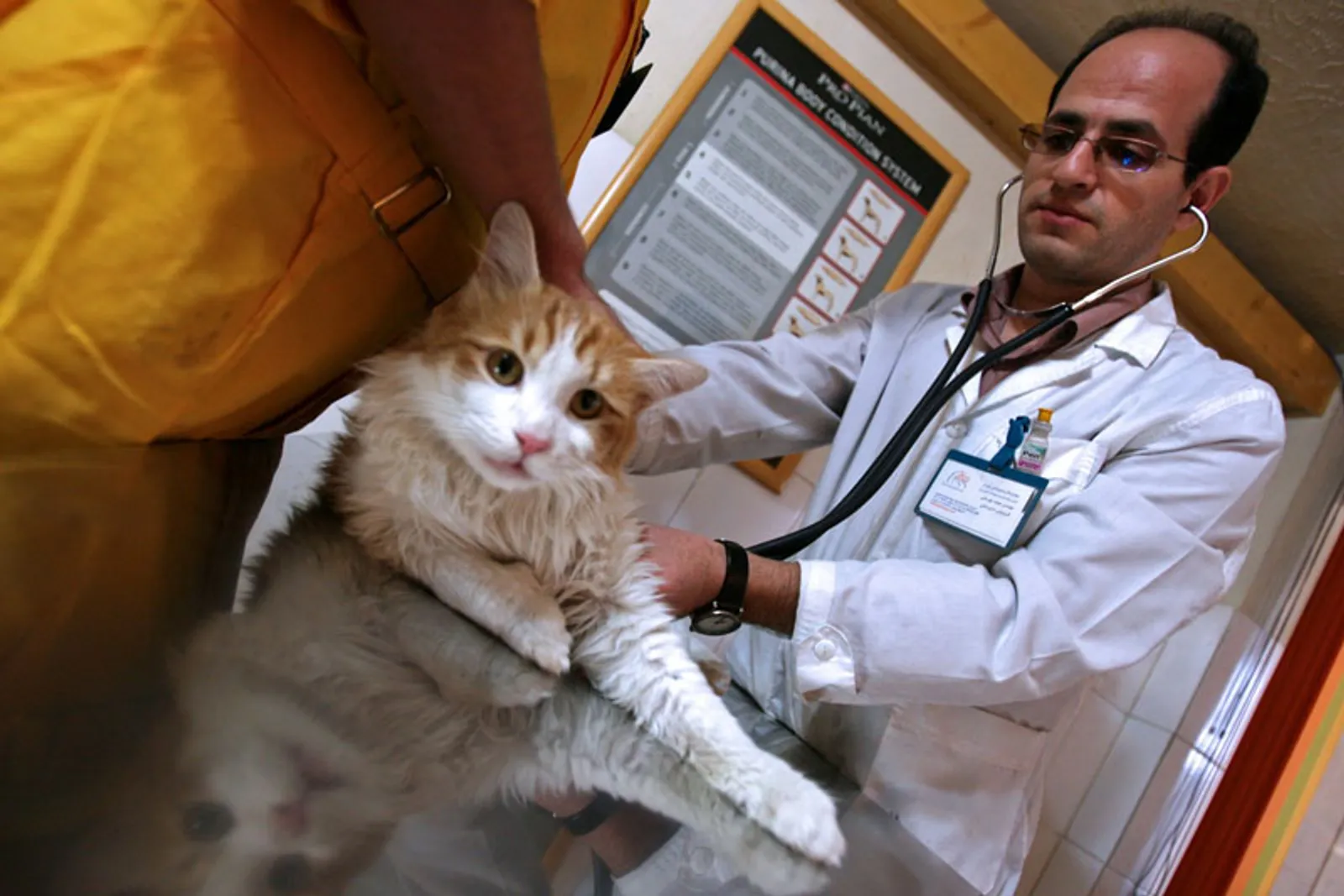
Quick answer
Spaying (ovariohysterectomy) removes a female cat's ovaries and uterus, preventing heat cycles, unwanted pregnancy, and certain reproductive health issues later in life. It's typically done around 4 to 6 months of age, though we assess timing based on your individual cat.
What’s included
- A pre-surgical exam to confirm your cat is healthy for anaesthetic
- Pre-anaesthetic bloodwork to check organ function before surgery
- IV fluids and continuous anaesthetic monitoring throughout the procedure
- Pain management during and after surgery
- A recovery plan with instructions for home care
- A follow-up recheck to confirm the incision is healing well
Why it matters
Spaying prevents heat cycles, which can be disruptive and stressful for both cats and households, and it eliminates the chance of unwanted litters.
It removes the risk of pyometra, a serious uterine infection, and lowers the risk of certain reproductive cancers, particularly when done at an appropriate age.
Unspayed female cats can go into heat repeatedly and attract unwanted attention from male cats, which can lead to escape attempts and fighting.
How it works
- 1
A pre-op exam and bloodwork to confirm your cat is a safe candidate for anaesthetic
- 2
Surgery day: your cat is admitted in the morning, given anaesthetic, and monitored closely throughout the procedure
- 3
A quiet recovery space after surgery, with pain management before your cat goes home the same day
- 4
A follow-up suture check to confirm the incision is healing as expected
Aftercare
- Limit activity — no jumping, running, or rough play — for the period your veterinarian recommends
- Check the incision daily for redness, swelling, or discharge
- Use an e-collar if your cat is licking or chewing at the incision
- Keep your cat indoors and away from other pets that might bother the incision site
- Give any prescribed pain medication as directed
Frequently asked questions
At what age should I spay my cat?
Most cats are spayed around 4 to 6 months, often before their first heat cycle. We can advise on the right timing based on your cat's health and breed.
How long is recovery after a cat spay?
Most cats are back to normal within 10 to 14 days, though we'll ask you to restrict jumping and rough play during that window while the incision heals.
Is my cat too old to be spayed?
Age alone isn't usually a barrier — we assess overall health and run bloodwork to confirm your cat is a safe anaesthetic candidate regardless of age.
Will my cat need to stay overnight?
Most cats go home the same day, once they're alert and recovering well from anaesthetic.
What does the incision look like, and how do I care for it?
It's typically a small incision on the abdomen. Keep it clean and dry, check it daily, and use an e-collar if your cat tries to lick or chew at it.
Does spaying change my cat's personality?
Spaying doesn't change a cat's core personality, though many owners notice calmer behaviour once heat cycles stop.
Related services
Cat Neuter
A routine surgical procedure to neuter your male cat, done with careful anaesthetic monitoring and a straightforward recovery.
Lab Diagnostics
Bloodwork, urinalysis, and fecal testing that help us diagnose problems accurately and monitor ongoing conditions over time.
Wellness Exams
A full nose-to-tail check-up that catches small problems before they become big ones.
Ready when you and your pet are.
Call 905-454-0765 or send a request below — our team in Brampton is happy to help.
Request an appointment
Send us a few details and we'll call you back to confirm a time. For anything urgent, please call 905-454-0765 directly instead of waiting for a reply.