
Dog Neuter Surgery in Brampton
A routine surgical procedure to neuter your male dog, done with careful anaesthetic monitoring and a straightforward recovery.
Quick answer
Neutering (castration) removes a male dog's testicles, which can reduce roaming, marking, and some aggressive or mounting behaviours, and it prevents him from siring litters. Timing varies by breed and size, so we tailor our recommendation to your individual dog rather than a single fixed age.
What’s included
- A pre-surgical exam to confirm your dog is healthy for anaesthetic
- Pre-anaesthetic bloodwork when recommended, based on age and health
- Anaesthetic monitoring throughout the procedure
- Pain management during and after surgery
- Clear instructions for home recovery
- A follow-up check if any concerns come up during healing
Why it matters
Neutering removes the risk of testicular cancer entirely and often reduces roaming, marking, and mounting behaviours.
It eliminates the chance of siring unwanted litters and can reduce some forms of aggression tied to intact male hormones.
As with spaying, the right age to neuter can vary by breed size — some evidence links timing to orthopaedic development in certain large breeds, so we'll discuss what fits your dog.
How it works
- 1
A pre-op exam, and bloodwork if recommended, to confirm your dog is ready for anaesthetic
- 2
Surgery day: your dog is admitted, given anaesthetic, and monitored closely for the procedure
- 3
A recovery period at the clinic before going home the same day
- 4
A follow-up check if you notice anything unusual during healing
Aftercare
- Keep activity calm and avoid running, jumping, or rough play for the period your veterinarian recommends
- Check the incision area daily for swelling, redness, or discharge
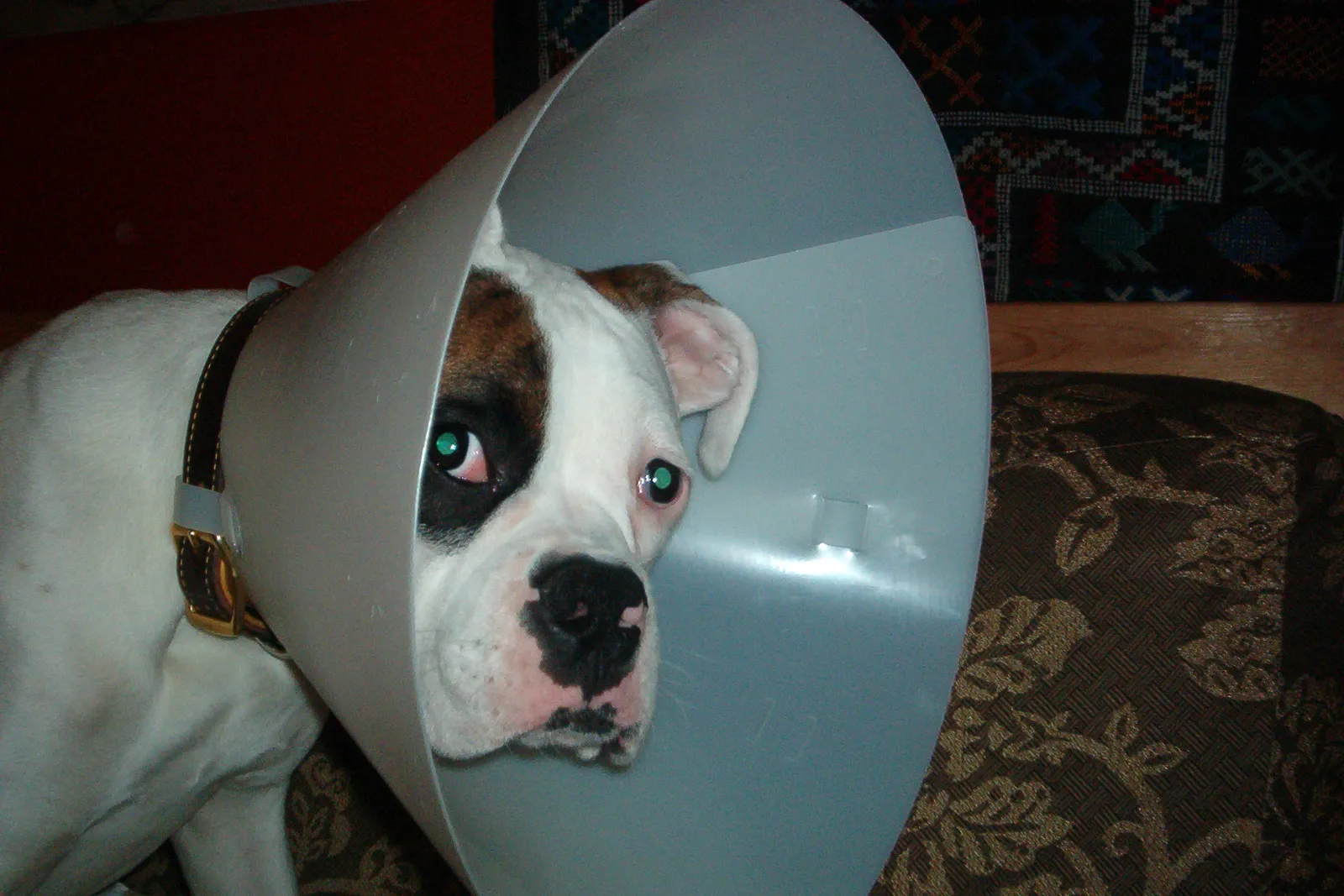
- Use an e-collar or recovery suit if your dog is licking at the area
- Keep walks short and on-leash until fully healed
- Give any prescribed pain medication as directed
Frequently asked questions
At what age should I neuter my dog?
It depends on breed and size — smaller breeds are often neutered around 6 months, while larger breeds may benefit from waiting longer. We'll recommend timing based on your dog specifically.
How long is recovery after a dog neuter?
Most dogs need about 7 to 10 days of restricted activity while the incision heals, even if they feel back to their normal energy within a couple of days.
Will neutering change my dog's behaviour?
It often reduces roaming, marking, and mounting behaviours, though results vary by dog and by how established the behaviour already is.
Will my dog need to stay overnight?
Most dogs go home the same day, once they're alert and recovering well from anaesthetic.
Is neutering a bigger surgery than spaying?
No — neutering is generally a shorter, less invasive procedure than spaying, since it doesn't involve entering the abdominal cavity.
Is my dog too old to be neutered?
Age alone isn't usually a barrier. We assess overall health to confirm your dog is a safe anaesthetic candidate regardless of age.
Related services
Dog Spay
A routine surgical procedure to spay your female dog, done with careful anaesthetic monitoring and a clear recovery plan.
Lab Diagnostics
Bloodwork, urinalysis, and fecal testing that help us diagnose problems accurately and monitor ongoing conditions over time.
Wellness Exams
A full nose-to-tail check-up that catches small problems before they become big ones.
Ready when you and your pet are.
Call 905-454-0765 or send a request below — our team in Brampton is happy to help.
Request an appointment
Send us a few details and we'll call you back to confirm a time. For anything urgent, please call 905-454-0765 directly instead of waiting for a reply.